

Detox From Alcohol
Detoxing from alcohol can take an extended time. Enrolling in a medically-assisted detox programme at a rehab treatment center is vital to minimize withdrawal symptoms and to prevent them becoming severe.
It is essential to have a supportive network to support you throughout the detox process. Being close to family and friends can help you resist the urge to drink and stay sober. It can be beneficial to keep a minimum or no alcohol available.
Self-detox at home
Alcohol addiction can be a devastating issue depending on whether it's due to physical dependency or mental health issues. It can cause strained relationships, financial problems as well as an increase in job performance. If you are struggling with addiction to alcohol it is essential to seek medical assistance as soon as you can. Alcohol detox is an effective and safe way to stop drinking alcohol and begin the process of healing.
Some people might experience severe withdrawal symptoms during the detox process. It's best to undergo the process of detoxing from alcohol in an establishment that is under the supervision of medical experts. In detox, you will receive 24/7 medical assistance and prescribed medication to help ease withdrawal symptoms. You will also have access to an experienced counselor who can provide guidance and psychological support.
If you are looking to detox from alcohol at home, there are a few things you can do to prepare for the process. The first step is to remove any alcohol from your home. This will stop you from drinking when cravings occur. Another crucial step is to stay hydrated by drinking plenty of water. This is because you'll likely sweat more during detox, and this can lead to dehydration. Avoid sugary drinks as they can cause cravings.
In addition to getting rid of alcohol in your home, you must also avoid people who are associated with drinking alcohol. This will make it easier to stay away from temptation and remain on track with your detox goals. To help keep your mind off during your detox, you can also practice deep breathing and meditation.
While at-home alcohol detox isn't easy, there are many ways to manage your symptoms. You can eat a healthy diet and exercise regularly, and surround yourself with supportive people. Having a solid support system can aid you in overcoming your addiction and keep sober.
The addiction to alcohol is risky however, it is also possible to overcome. With the right support, you can successfully detox from alcohol at home. You should also remember that self-detoxing at home isn't recommended, especially for those who have pre-existing health issues.
At-home detox
A home detox can be an excellent option for those who want to reduce their drinking. If you adhere to recommended guidelines this method is safe for most. The best method to detox is by gradually reducing your alcohol intake over a period of several weeks or days prior to stop completely. This will stop withdrawal symptoms from becoming worse. alcohol detox home should also eat healthy foods and drink plenty of water during the detox period. Drinking water will also stop dehydration which is an issue common during alcohol withdrawal.
When you're trying to detox at home, it's important to have the right support system. It can help you overcome cravings and keep you motivated throughout the detox process. There are support groups online or in your neighborhood or ask your friends and family members for assistance. You may also consider mindfulness practices like meditation and deep breathing to help you manage cravings and other issues. You should also avoid drinking in the presence of others to avoid temptation.
If you have a previous history of alcoholism, seek medical assistance prior to trying to detox at home. This is because severe withdrawal may cause hallucinations and incoherent speech (delirium tremens). It is also recommended to consult your doctor before you begin drinking again.
It is also recommended to avoid alcohol at all costs. Keep water and food items in the pantry to prevent drinking excessively. Also, ensure that you clear your home of all alcohol and dispose of any alcohol-related drinks you have. This will reduce your chance of being tempted and increase your chances of achieving your goal.
Detoxing at home can be a difficult process, but it can be accomplished with the proper planning. If you have any physical or mental health issues that may be exacerbated by withdrawal from alcohol or if you've tried self-detoxing and experienced problems, it's best to consult an expert medical professional for an easier and more successful detox. Inpatient detox in the hospital is more comfortable and safe than home-based detox, as you'll have access to medical assistance 24 hours a day.
Inpatient detox
Medical detox may be required when you are suffering from an alcohol addiction. This procedure is designed to rid you of toxic toxins and prepare you for treatment. Detox is often part of a residential rehabilitation program. Inpatient detox usually takes place at a substance abuse and treatment center. It can last anywhere from 3 to 14 consecutive days. During this period you'll be required to go to the center each day for therapy sessions that can last several hours. The first session is an intake examination, in which you are asked to discuss your experiences with substance abuse and mental health problems. You will also undergo an examination of your body and blood tests.
During the detox period during the detox period, you will be offered medications to alleviate withdrawal symptoms. Benzodiazepines can be used to combat muscle spasms, anxiety and insomnia during this phase. The dosage may differ according to your needs however, you're likely to be prescribed benzos with a long-acting effect, like chlordiazepoxide (Librium) and diazepam (Valium) for three or more days.
Many people who try to quit drinking "cold turkey" end up in the emergency room because of severe withdrawal symptoms. It is crucial to seek help from a professional as withdrawal can cause seizures and other life-threatening complications. medical alcohol detox provide 24 hour assistance and supervision to prevent these problems. They also offer socialization and group therapy to help with recovery.
Inpatient detox is a wonderful option for those who suffer from co-occurring mental health problems such as bipolar disorder or depression disorder. These conditions can make detox difficult and increase the risk for the possibility of relapse. Inpatient detox is also recommended for those with a history severe withdrawal symptoms like delirium-tremens.
The most effective detox programs take a holistic approach and treat the entire person. They use a variety of therapeutic techniques such as motivational therapy, individual therapy and other forms of therapy. They teach patients to identify and manage negative thoughts about their addiction, as well as to develop an optimistic outlook for recovery.
The first step to an addiction-free life is seeking assistance to overcome your addiction. Many treatment centers offer detox programs in addition to their residential or outpatient programs. If you are thinking of detox programs, inquire about the duration of the stay and the cost.
Online therapy
People with a severe alcohol problem may need help quitting drinking. alcohol detox home is referred to as detox and involves a medically supervised withdrawal from alcohol. This can include sedative drugs such as benzodiazepines and barbiturates. These medications are used to reduce anxiety, control withdrawal symptoms and prevent seizures. Herbal supplements such as Ashwagandha and St. John's Wort can also aid in reducing withdrawal symptoms and cravings. Other options to stop drinking include exercise, diet mediation, self-guided programs. Many recovery groups also offer support groups online.
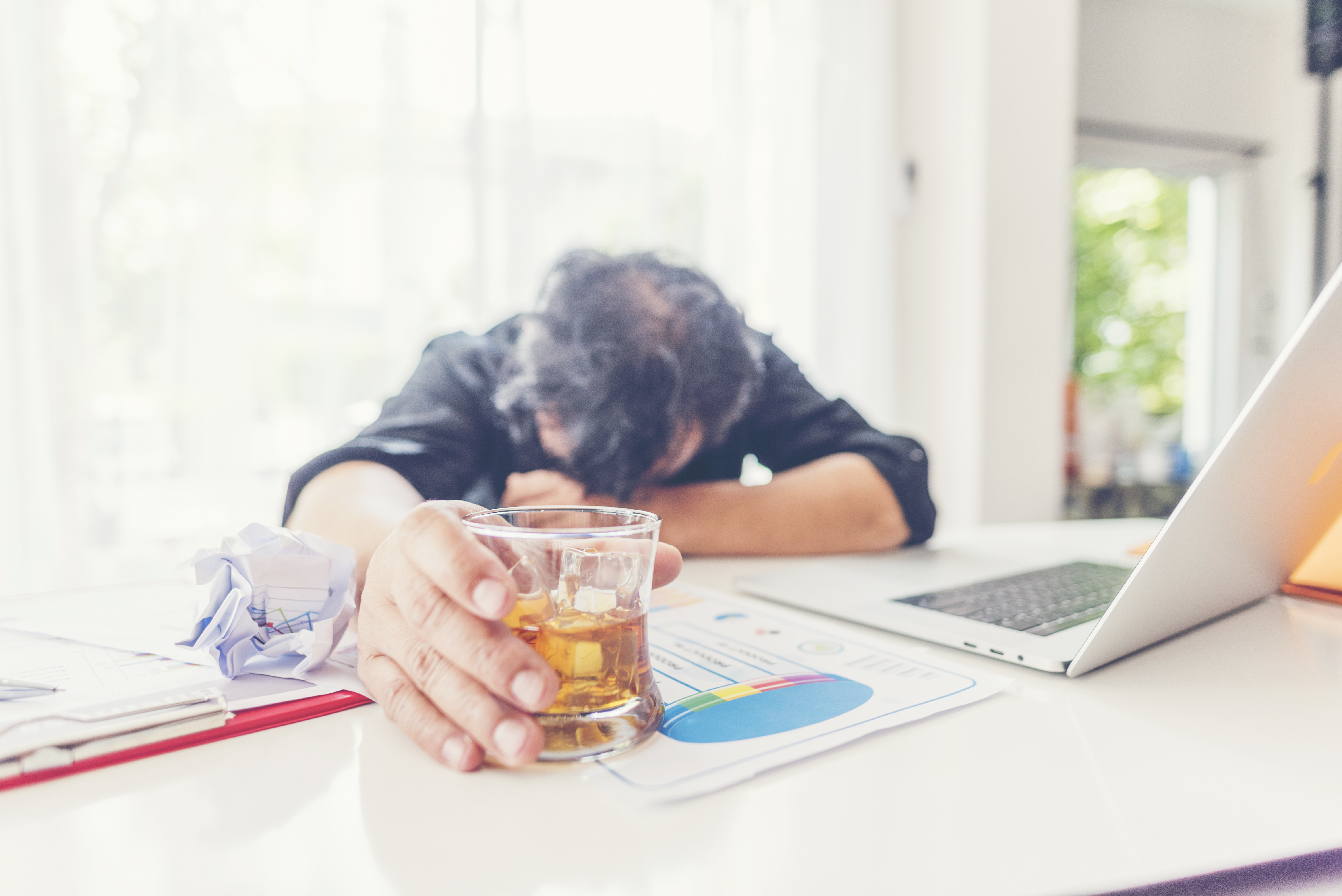
The detox process is often extremely uncomfortable and can cause seizures or delirium tension. This is why it is crucial to seek treatment for addiction to alcohol with a qualified healthcare professional. Alcohol withdrawal can be fatal in the event that it is not handled correctly. Based on your specific situation, you may benefit from an inpatient detox program, or an outpatient detox program that provides medically assisted withdrawal from alcohol. A detox clinic offers 24/7 monitoring to ensure you don't suffer adverse side effects.
Telehealth is a novel form of therapy that makes use of technology in order to deliver treatment. Many alcohol counselors are available via this method. This method of treatment for alcohol has been proven effective, and it is an excellent alternative for those with limited access to traditional outpatient or inpatient services. You can find a therapist who will help you overcome alcoholism using an online health service such as BetterHelp. You can locate a therapist that specializes in alcohol abuse disorder.
You can find a therapist with right experience and background for you by searching the RCA Navigator. Many of these doctors are available via video or telephone conference. For help in finding quality therapy providers, look at the NIAAA list of telehealth resources.
You can also find a board certified physician to evaluate your condition and prescribe medication for alcohol-related disorders. Many of these doctors have telehealth practices, so you can consult them from the comfort of your own home. You can use the RCA Navigator in the event that you are covered by a health plan to find doctors that accept your coverage. If not, you can search for a specialist doctor in alcohol addiction using the NIAAA's tool.